
Chapter 8 panel vans
Small, medium and large vans prepared for supervisors, sign crews, maintenance teams and mobile operations.
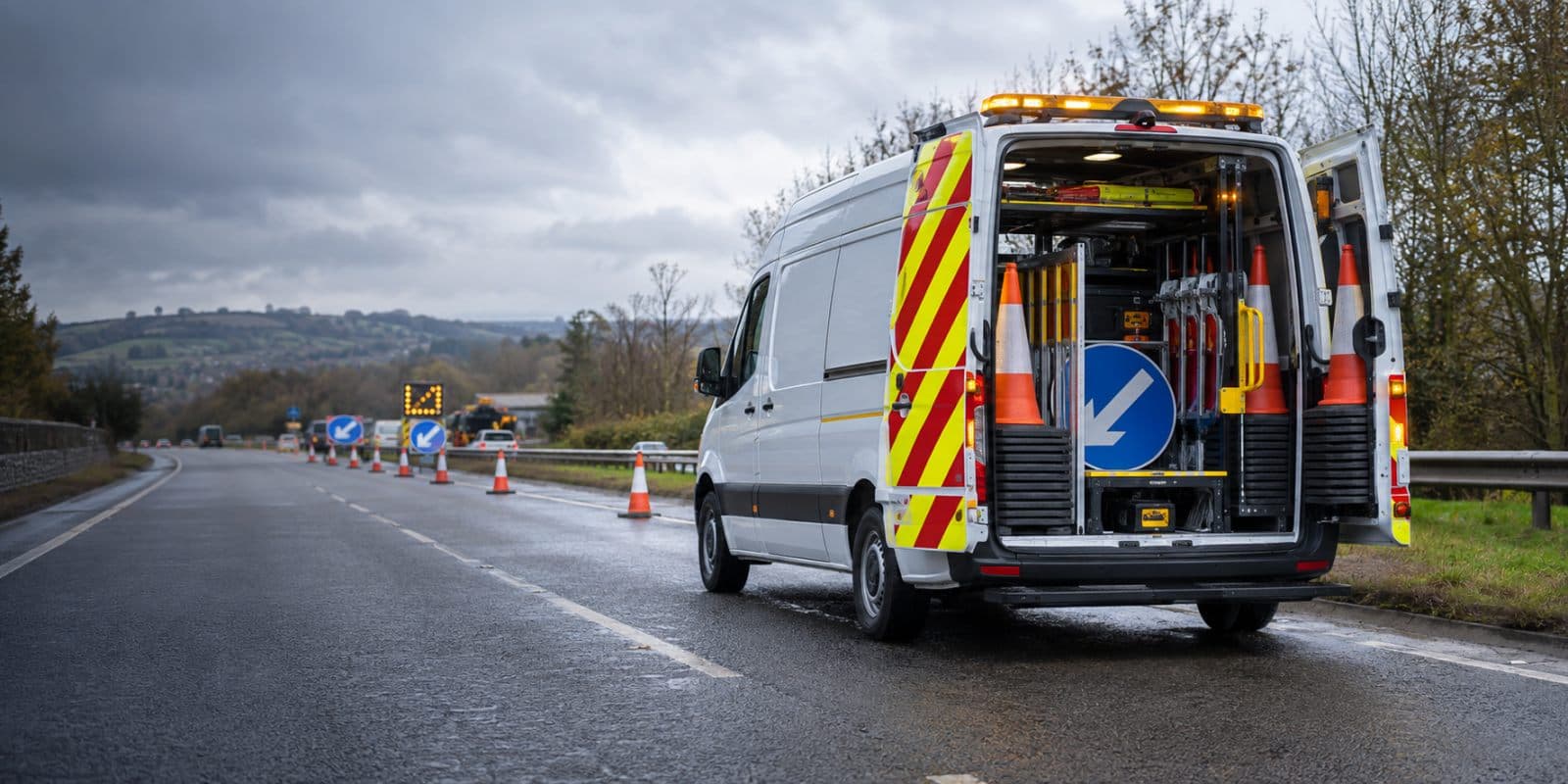
From Chapter 8 panel vans to specialist low-floor and chassis conversions, Automotivate supplies traffic management fleets with vehicles specified, funded and delivered around the operation.
Traffic management contractors support highway maintenance, utilities, construction, emergency repairs and temporary road layouts across the UK. Their vehicles must carry people and equipment efficiently while remaining visible, dependable and appropriate for the work being undertaken. We bring the vehicle, converter and funding decisions together around one clear operational brief.
Traffic management fleets are often mobilised at short notice, for planned road works, utility repairs or emergency incident response. That puts a premium on traffic management vehicles that are ready to deploy rather than adapted on the day. Crews commonly work under street-works permit conditions alongside Chapter 8 requirements, and the vehicle's signage, lighting and load security all form part of what a site supervisor or local authority officer will expect to see correctly set up on arrival.
Choose a standard working specification or let our team build a repeatable fleet standard around your payload, crew, route and equipment requirements.
Small, medium and large vans prepared for supervisors, sign crews, maintenance teams and mobile operations.
Practical load areas for cones, signs and barriers, with access, storage and fall-protection options specified around the job.
High-capacity, accessible bodies designed to make repeated loading and unloading of traffic management equipment more efficient.
Versatile 4x2 and 4x4 vehicles for site access, towing, crew transport and rapid-response duties.
Crew welfare, mess, drying and site-support configurations for longer shifts and remote work locations.
Operationally assessed EV options for suitable routes, depot charging plans and clean-air requirements.
A successful traffic management build starts with how the vehicle will be used. We help coordinate the base-vehicle choice with body dimensions, payload, access, storage, lighting and safety equipment before the order is released.
A useful first brief covers crew, payload, cone and sign storage, loading access, towing, routes, shift pattern, preferred vehicle, colours, funding and the delivery date you are working towards.
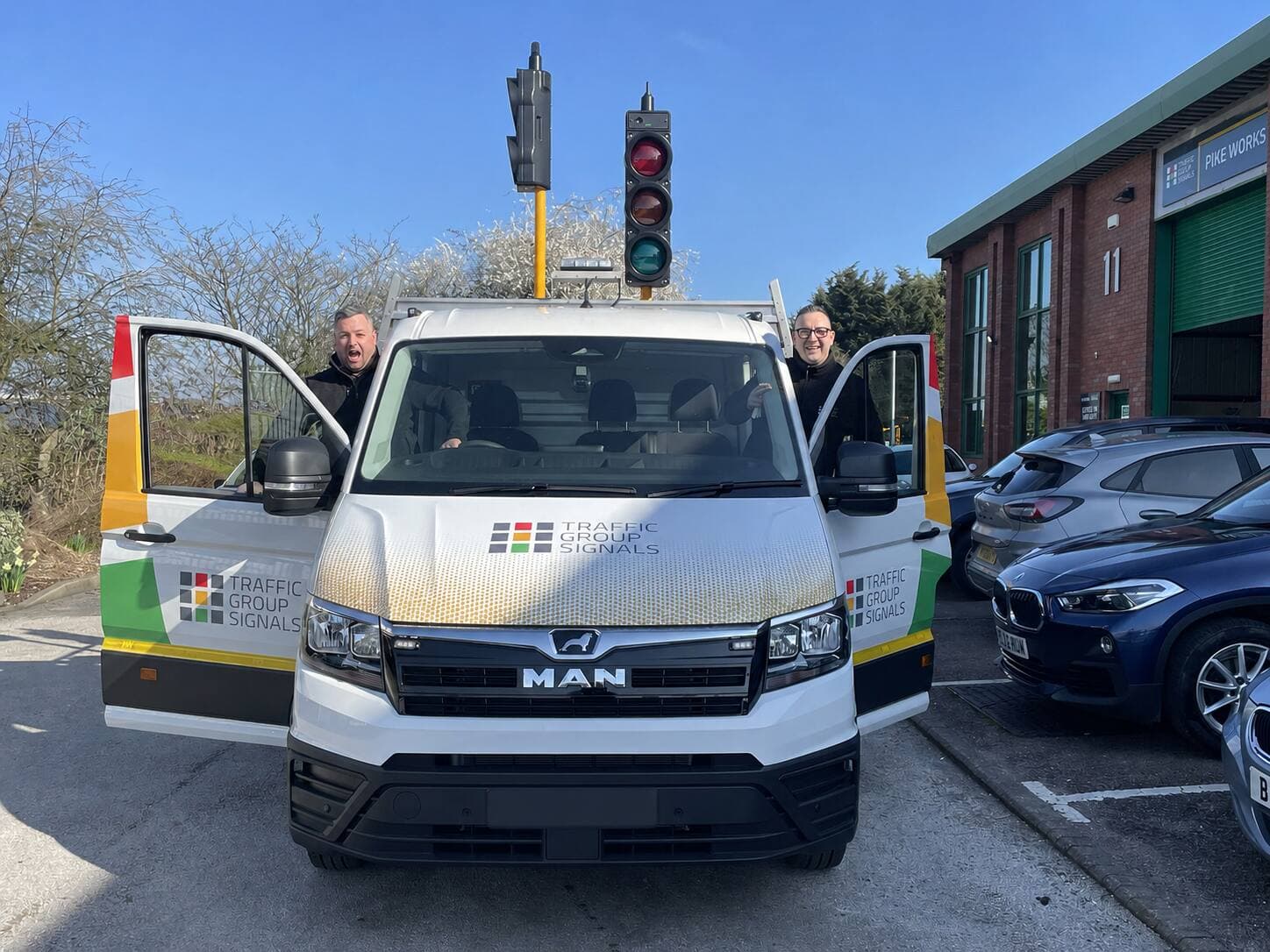
These are typical starting points. Every final specification should reflect the vehicle's intended use, risk assessment, current guidance and your own operating procedures.
Chapter 8 of the Department for Transport's Traffic Signs Manual provides guidance for road works and temporary situations; mandatory requirements may arise separately under applicable regulations. Automotivate will help coordinate the vehicle specification, but the operator remains responsible for confirming suitability for its work activity.
Define people, payload, equipment, towing, access, routes and duty cycle.
Compare suitable base vehicles, payload positions and converter solutions.
Agree the funding structure, lock the specification and coordinate production.
Review the completed vehicle and arrange delivery to your depot or project.
Additional support for choosing across manufacturers, standardising future orders and planning replacements.
Compare suitable vans, chassis cabs, pick-ups and crew vehicles without being limited to one badge.
Turn an agreed vehicle and fit-out specification into a consistent standard for planned fleet roll-outs.
Renewal planning, end-of-contract preparation and disposal support to help keep the fleet working efficiently.
Yes. We can source the base vehicle, coordinate the specialist converter and manage equipment, funding and delivery as one project.
No. Automotivate remains your commercial contact. We coordinate the base vehicle, conversion specification, pricing, order process and delivery updates with the supplying dealer and specialist converter.
A useful starting brief covers the vehicle role, crew size, payload, signs and equipment, storage and access, towing, typical routes, preferred vehicle, colours, funding route and required delivery date. We then use that to shape the vehicle and conversion specification.
The final specification depends on the vehicle's role and risk assessment. Typical items can include high-visibility markings, rear chevrons, amber beacons or lightbars, warning strobes and Highway Maintenance identification. Requirements should always be confirmed for the intended operation.
We can source panel vans, chassis-cab and platform conversions, dropsides, crew vans, pick-ups, welfare vehicles, supervisor cars and suitable electric vehicles from leading manufacturers.
Eligible vehicle and conversion costs can often be included within a business funding agreement. Availability depends on the asset, customer status and lender terms.
Yes. We can help standardise specifications, coordinate production and conversion slots, arrange phased delivery and support renewal planning across a larger fleet programme.