
Working dropside
A flexible open-load-area option for bulky equipment, palletised goods and day-to-day site requirements.
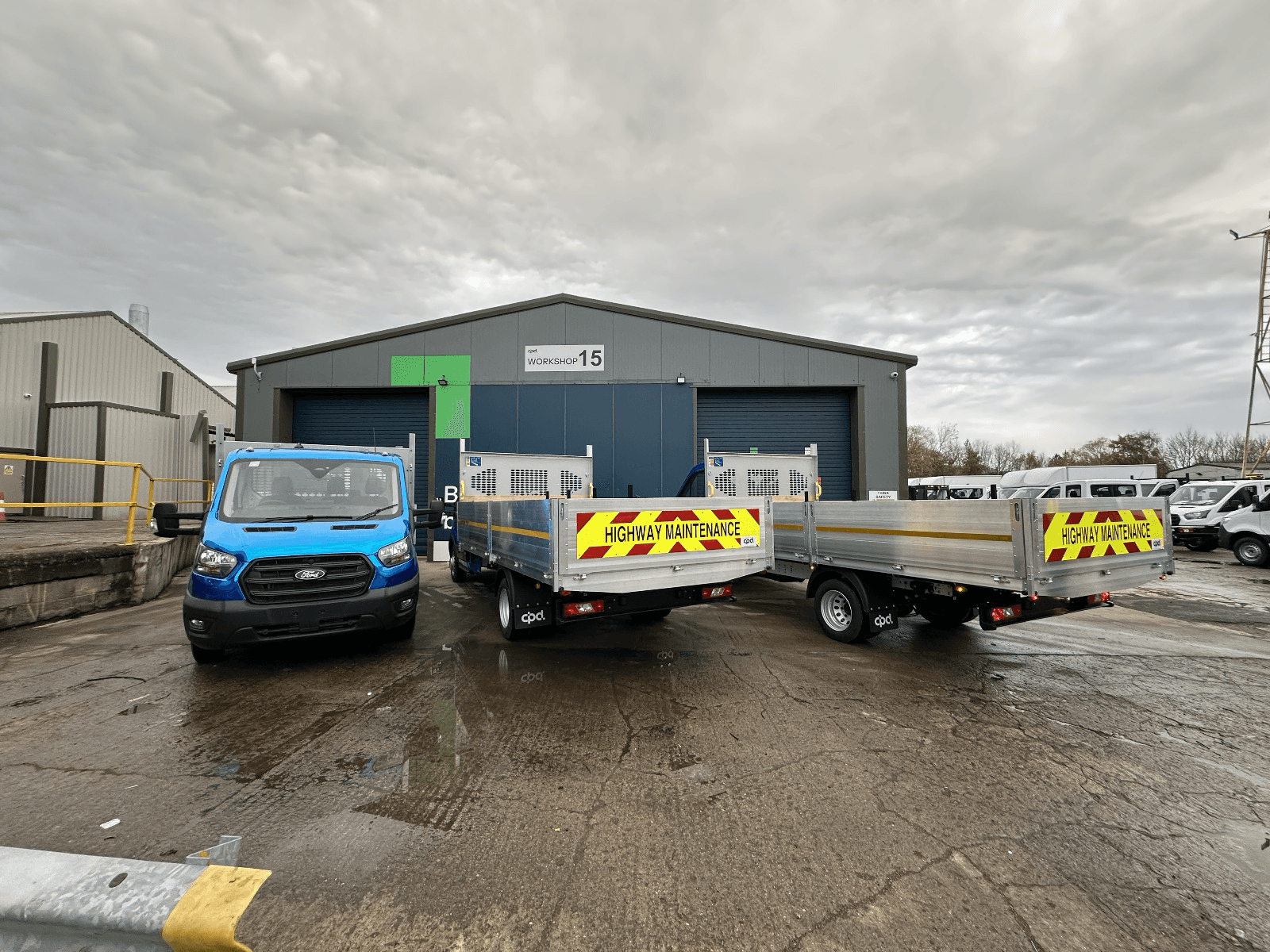
For fleets loading from the side as well as the rear, Automotivate coordinates dropside van and chassis-cab conversions around load access, bed space and working routine.
A dropside is often the more useful starting point when pallets, long items or awkward equipment need access from more than one side of the vehicle. The loading method and the people or machinery loading it should shape the bed, side panels and access arrangement.
We build the brief around load dimensions, fork-lift or hand loading, working space, crew transport, towing and storage. Automotivate then coordinates the base vehicle and specialist body conversion through one commercial contact.
Choose the vehicle role first. We will then help define the body, access, storage and equipment around it.
A flexible open-load-area option for bulky equipment, palletised goods and day-to-day site requirements.
A useful starting point where team transport and a practical load area need to work together.
Tool lockers, headboards, towing, access and safety equipment can be specified around the operation.
The finished vehicle needs to support the working routine, not just provide an open load area. We help set out the operating requirements before an order is placed, so the base vehicle and conversion work together.
Dropsides support side and rear access for loads that need to be placed or removed rather than tipped. They are often worth considering where pallets, longer items, equipment or variable loads need flexible loading access.
If the core requirement is regular unloading of loose material, a tipper vehicle conversion may be a better starting point. We can work through the operational differences before you commit to a base vehicle or body type.
A dropside conversion has hinged side and rear panels that fold down to help with loading and unloading. It can suit bulky, palletised or equipment-led loads where all-round access is useful.
A dropside can be the better fit where the load needs to be lifted on or off from the side or rear, rather than tipped. It is often considered for pallets, longer items and variable equipment loads.
Load dimensions, the way goods are loaded, the need for side access, equipment storage, crew space and towing are all useful inputs when agreeing the body layout.
That is exactly the type of working pattern to explain at the brief stage. The body and storage arrangement can then be shaped around the practical loads and access required through the week.