
Plant & machinery
Production machinery, construction plant and other operational equipment that supports day-to-day output.
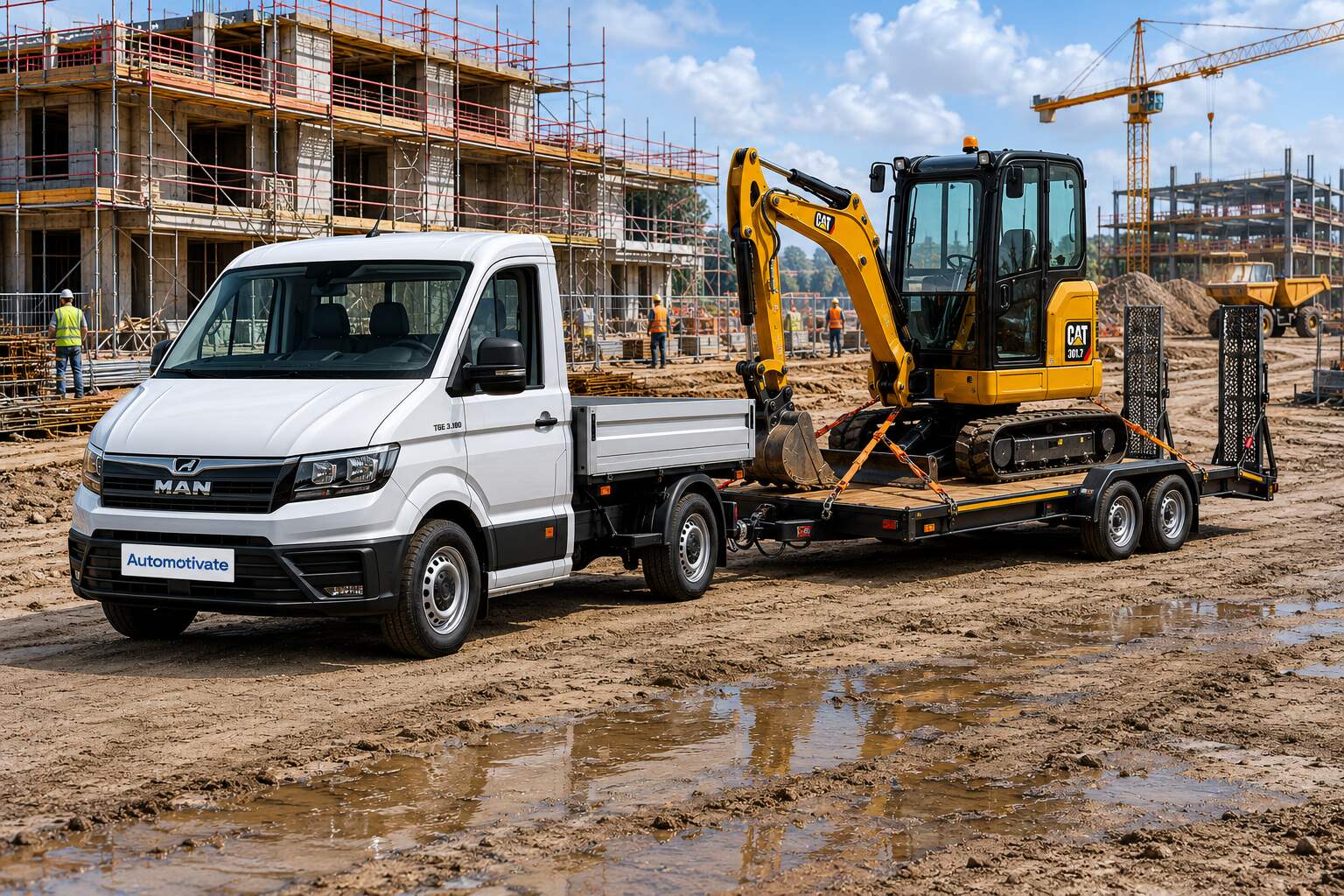
Explore funding for eligible machinery, equipment and technology through Trek Finance, with options structured around the asset, your objectives and your business circumstances.
Asset finance can help a business acquire or use equipment by spreading payments over an agreed period. Rather than committing the full cash price at the outset, the business makes payments under a Hire Purchase or leasing agreement. The right structure depends on the asset, how long you expect to use it, whether ownership matters and what your business can sustainably afford.
To discuss suitable options, we will need the equipment or supplier quotation, whether the asset is new or used, the amount involved, how long you expect to use it and the payment profile you are considering.
Use this page for eligible equipment, plant, machinery, technology and other business assets. If your requirement is a van, chassis cab or a completed specialist vehicle, see our commercial vehicle finance options. If you do not need to own the vehicle, our commercial vehicle leasing service may be a better starting point.
Asset eligibility varies between funders. We will need to understand the equipment, supplier, age, value and intended business use before discussing suitable routes.
Production machinery, construction plant and other operational equipment that supports day-to-day output.
Specialist tools, workshop equipment and other durable items used to deliver your service.
Eligible computers, servers, communications systems and other business technology.
Forklifts, access equipment, warehouse systems and related equipment for moving or storing goods.
Furniture, printing systems and other eligible equipment needed for an effective workplace.
Other identifiable business assets considered by a suitable funder, subject to their criteria.
Compare the full terms, not only the regular payment, and seek independent specialist advice where appropriate.
Interest, fees, deposits and any final or option-to-purchase payment can make the total paid higher than the asset's cash price.
The funder may retain legal title and the agreement may set conditions for use, maintenance, insurance, alterations or disposal.
Payments must remain affordable for the full term. Missed payments or a breach of terms could lead to the asset being recovered and may affect credit.
Automotivate Fleet Solutions Ltd is an Appointed Representative of AFS Compliance Limited which is Authorised and Regulated by the Financial Conduct Authority No. 625035. Automotivate Fleet Solutions Ltd is a Franchisee of Asset Finance Solutions (UK) Ltd. Finance is for business purposes and is subject to status, lender approval and terms. This information is general guidance and does not constitute financial, legal, tax or accounting advice.
Automotivate Fleet Solutions Ltd is a Franchisee of Asset Finance Solutions (UK) Ltd and an Appointed Representative of AFS Compliance Limited. AFS is an independent asset finance brokerage, not a lender, with an extensive funder panel and comprehensive compliance capabilities.
Learn about AFS ↗We consider what you need, who is supplying it and how it will be used.
Review routes in the context of ownership, payments and end-of-term plans.
Provide the business and asset information required for a credit decision.
Check the lender's terms, total commitment and responsibilities before signing.
Asset finance is a way for a business to obtain and use eligible equipment without paying the full purchase price at the outset. The asset and funding structure form part of the agreement, with payments spread over an agreed period.
Funders may consider many identifiable business assets, including plant, machinery, tools, materials-handling equipment, technology and office equipment. Eligibility depends on the asset, supplier, amount, age, intended use and funder criteria.
Hire Purchase normally provides a route to ownership after all required payments and fees. With a Finance Lease, the funder retains legal title and the end-of-term arrangements depend on the agreement.
Spreading the cost can reduce the immediate cash required compared with buying outright, but repayments, interest and fees remain ongoing commitments. The effect on your cash flow depends on the agreement and your circumstances.
Consider the asset's useful life, total amount payable, deposit, payment profile, ownership requirements, maintenance and insurance obligations, end-of-term terms and what would happen if your needs changed.
No. Finance is subject to status, lender approval and the terms offered. Tax and accounting treatment varies, so speak to your accountant or tax adviser. We do not guarantee approval or that finance will be the lowest-cost option.
Asset Finance Manager