
Single-cab tipper
A practical route for material carrying where the operation is centred on payload, loose loads and regular tipping.
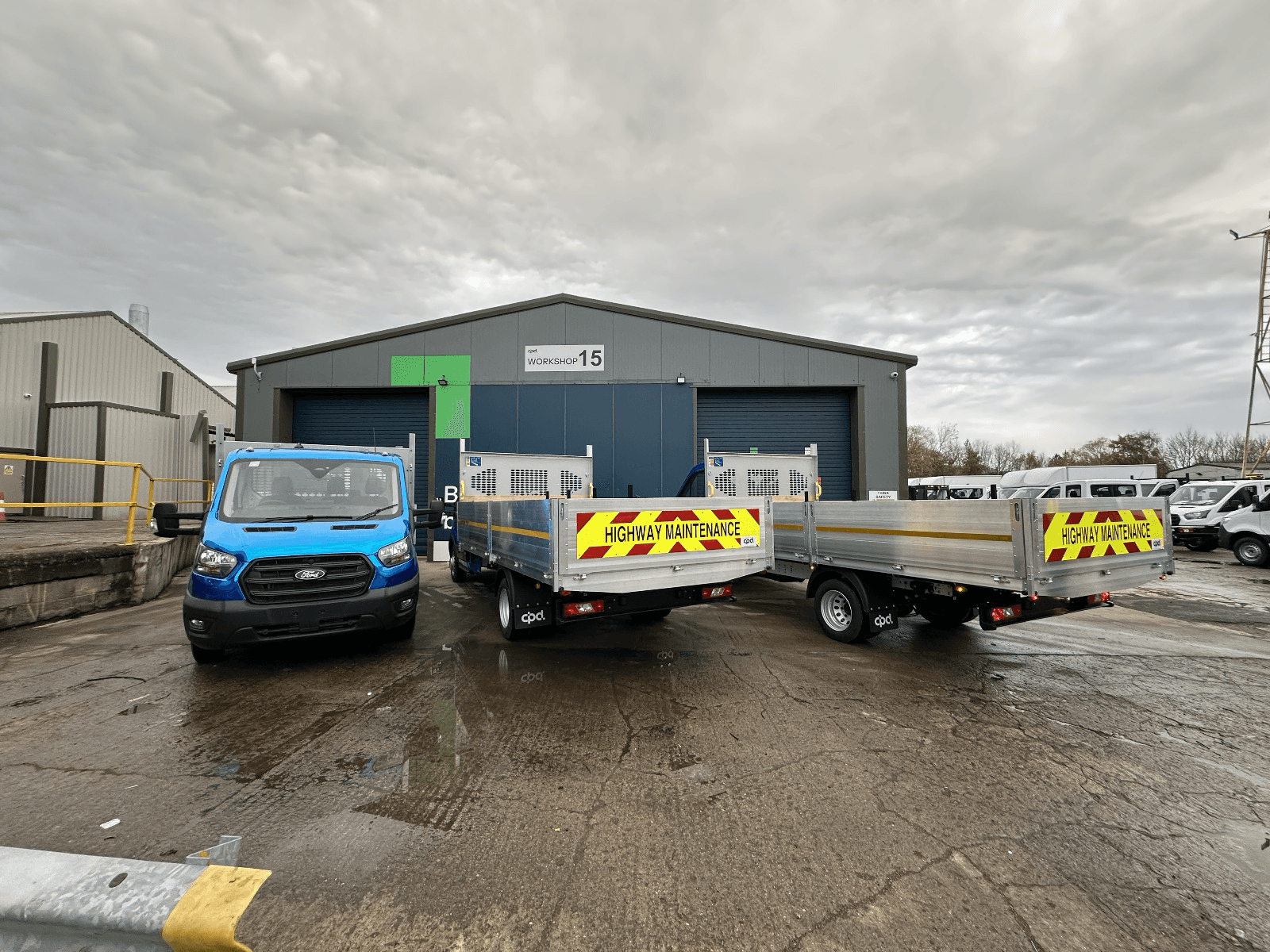
For fleets moving loose materials, Automotivate coordinates tipper van and chassis-cab conversions around payload, unloading routine and site conditions.
A tipper is the right starting point when unloading loose material efficiently is central to the job. Soil, aggregate and waste place different demands on the body, base vehicle, payload and the way the vehicle is used on site.
We begin by understanding what is tipped, how often the vehicle is loaded and unloaded, who travels in it and whether towing or secure tool storage matters. That gives the converter a clear working brief rather than a generic body request.
Choose a vehicle role first. We will then help define the body, access, storage and equipment around it.
A practical route for material carrying where the operation is centred on payload, loose loads and regular tipping.
A starting point for teams that need passenger space alongside the finished load area and working equipment.
Tool lockers, headboards, lighting, towing and access details can be included around the way the crew works.
The body is only one part of the finished vehicle. We help set out the operating requirements before an order is placed, so the base vehicle and conversion work together.
Set out the load, payload, crew, towing, access, budget and timing.
Match the base vehicle and body conversion to the operation.
Discuss purchase or business funding for the complete vehicle.
Confirm the order and keep you updated through supply and conversion.
A tipper conversion uses a hydraulically operated body that raises to unload loose materials such as soil, aggregate or waste. The completed specification depends on the intended load, payload, site conditions and operating requirements.
Tell us whether the typical load is soil, aggregate, waste or another loose material, and how it is loaded. That helps establish the payload, body and working configuration needed.
That depends on how many people normally travel, the payload needed after passengers and equipment are aboard, and whether the vehicle is also expected to tow or carry secure tools.
Base-vehicle availability, the agreed body specification, converter capacity and equipment choices all influence the delivery plan. We will explain the current position before an order is confirmed.